
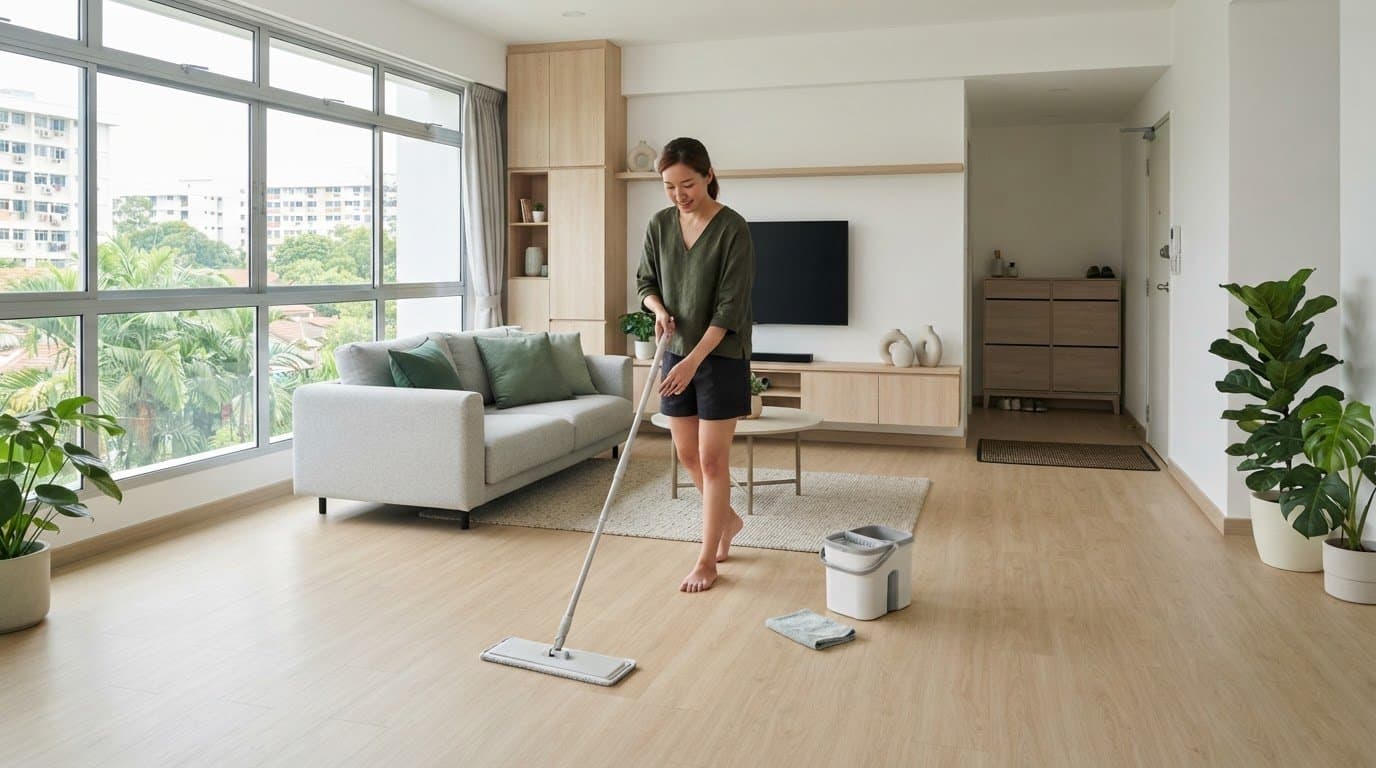
Vinyl Flooring Overlay in Singapore: How to Maintain It Properly
Protect your vinyl flooring overlay singapore home with expert care tips. Learn safe cleaning routines, moisture control, and scratch prevention steps today.
More water doesn’t mean cleaner vinyl. With a vinyl flooring overlay, excess moisture can seep into seams, so a gentle, consistent routine is usually the safer approach. You may wonder which cleaners and tools to use, or whether an overlay needs different care from other vinyl floors. This guide to vinyl flooring overlay singapore care gives you practical steps for cleaning without guesswork.
You’ll learn a simple daily and weekly routine, how to limit scratches from grit and furniture, and what to do when spills or stubborn marks appear. In Singapore’s humid climate, use a damp rather than wet mop and dry spills promptly. Follow the flooring manufacturer’s care guidance, since instructions vary by product. Good flooring choices and everyday maintenance also work best as part of a well-planned home renovation.
Key Takeaways
- Vinyl overlays sit over an existing floor, but care instructions vary by product. Follow the manufacturer’s guidance for your flooring.
- For vinyl flooring overlay singapore homes, build a simple cleaning routine around soft tools and minimal moisture.
- Blot spills instead of spreading them, and test an approved cleaner on a discreet spot before treating a visible mark.
- Adjust your cleaning schedule to your household’s foot traffic, pets and the amount of grit brought indoors.
- Watch for lifting edges or recurring moisture. If cleaning doesn’t resolve the problem, have the flooring assessed.
Table of Contents
- Why vinyl flooring overlay in Singapore homes needs a simple care routine
- How to clean vinyl flooring overlay in Singapore: a simple routine
- How to handle spills, stains and scratches on vinyl overlay flooring
- A practical vinyl flooring maintenance schedule for Singapore households
- When vinyl flooring needs attention: plan the next step with your renovation
Why vinyl flooring overlay in Singapore homes needs a simple care routine
A vinyl overlay can be straightforward to care for, but “low maintenance” doesn’t mean “no maintenance”. Remove grit regularly, use suitable cleaning tools and deal with spills promptly. These habits help keep the surface presentable without harsh or intensive cleaning. In Singapore’s warm, humid conditions, avoid leaving water on the floor and dry spills instead of letting moisture linger.
Care instructions vary by product. Check the manufacturer’s guidance before choosing a cleaner or cleaning method, and follow it if it differs from general advice.
What does vinyl flooring overlay mean in a home?
An overlay is a new floor finish installed over an existing surface when the project conditions allow. It describes an installation method, not a guarantee that every existing floor is suitable. Before installation, the surface may need assessment for flatness, stability, cleanliness and dryness, along with visible cracks or loose sections.
Vinyl flooring includes different product types. Vinyl composition tile, for example, is one specific kind of vinyl flooring, not a description of every vinyl overlay. Construction and care requirements vary, so don’t assume instructions for one vinyl product apply to another.
What can affect the flooring’s day-to-day condition?
Small habits matter. Grit tracked indoors can rub against the surface underfoot, while dragging furniture may leave scuffs or scratches. Standing moisture and unsuitable cleaning products can also affect the floor’s appearance. Clean gently and regularly, but don’t assume every mark or damp patch means the flooring is damaged.
Foot traffic and household routines determine how often you may need to clean. An entryway used throughout the day can collect grit faster than a room with little foot traffic. Pets may bring in dirt, and spills need attention as soon as you notice them. Sweep or vacuum with an appropriate soft attachment to remove loose particles before they’re walked across the floor.
For vinyl flooring overlay singapore homes, keep moisture under control and follow the product’s care instructions. Remove grit, use recommended cleaning products and don’t leave spills or standing water unattended. Avoid experimenting with abrasive tools or strong cleaners.
How to clean vinyl flooring overlay in Singapore: a simple routine
Use a gentle sequence: remove dry grit first, clean with minimal water, then dry the surface. Regular dust removal handles everyday dirt. Use a more thorough damp clean when needed, such as during your weekly floor routine. Check the flooring maker’s instructions before using any cleaning product, and give that product guidance priority over general advice.
What is a safe everyday cleaning sequence?
- 1. Remove loose dirt. Sweep with a soft broom, use a vacuum setting suitable for the floor, or pick up dust with a clean, dry mop. Clearing grit first helps prevent it from being dragged across the surface during mopping.
- 2. Clean lightly. If the floor needs more than dry cleaning, use a clean microfibre mop that is lightly damp, not dripping wet. Work in manageable areas. Rinse or replace the mop head when it gets dirty so you don’t spread grime around.
- 3. Dry wet patches. Wipe visible water with a clean cloth and don’t leave puddles standing. Drying the floor promptly is especially practical in Singapore’s humid conditions.
Which cleaning tools and products should you use carefully?
Choose soft tools and gentle cleaning methods. A pH-neutral cleaner may be suitable if the manufacturer’s instructions allow it. Follow the product label for dilution and use, and don’t mix cleaning products. If you’re unsure whether a cleaner is suitable, use the care method stated by the flooring maker rather than experimenting.
Avoid abrasive pads, harsh solvents and polishing products that aren’t approved for your flooring. They may affect the surface finish. Don’t use a steam mop unless the manufacturer specifically permits it for your product. Heat and moisture can make steam cleaning unsuitable for some floors, even if the surface looks water-resistant.
Keep the routine simple: dry-clean regularly to pick up dust and grit, then use a lightly damp mop when the floor needs a deeper clean. Busy areas may need more frequent attention; in quieter rooms, dry cleaning may be enough between damp cleans. Wiping up spills promptly also helps prevent residue from building up.
As part of residential renovation planning, consider how your flooring choices and everyday care fit your household’s routines. Planning for maintenance alongside appearance helps you make practical decisions for your home.
How to handle spills, stains and scratches on vinyl overlay flooring
Act promptly, but keep your response gentle. Rubbing a spill can spread it, while aggressive scrubbing may worsen a mark or affect the finish. If you maintain vinyl flooring overlay singapore homes use, start by blotting the spill, then clean only with a method approved for that specific floor.
What should you do when liquid spills on vinyl flooring?
Blot the liquid with a soft, absorbent cloth. Press gently and work from the outer edge towards the centre to avoid spreading it. Once you’ve removed the liquid, clean the area using the manufacturer-approved method, then dry the floor and nearby edges. Don’t pour water over the spill or flood joints and seams.
If you notice moisture beneath the flooring, don’t try to force it out by scrubbing or adding more liquid. Photograph the affected area and note when you first saw it. Moisture beneath the surface is different from a spill on top, so arrange an assessment rather than relying on routine cleaning alone.
How can you reduce scratches and treat stubborn marks?
Prevention is easier than treating a scratch. Lift furniture when moving it instead of dragging it, and place suitable protective pads beneath furniture legs. Sweep or vacuum away grit regularly, since particles underfoot can leave surface marks over time.
For a stubborn mark, check the flooring manufacturer’s care instructions first. Use only a cleaner approved for that product, follow its directions and test it in a less visible spot. Check for any change in colour, sheen or texture before treating the visible mark. Don’t scrape stains with a blade or abrasive pad. If a mark resists gentle cleaning, it may need assessment rather than stronger treatment.
Stop if the finish changes or the mark gets worse. Don’t continue with that cleaner or method. Remove any residue as directed by the product instructions, let the area dry, and record what you used and what changed. This information can help if the floor needs closer assessment.
A removable surface mark may respond to an approved, gentle cleaning method. Lifting edges, recurring moisture, deep scratches or a stain that remains after careful treatment may point to a physical issue instead. Don’t treat these signs as ordinary dirt. Note where they appear and how they change, then have the flooring assessed to identify a suitable next step.
A practical vinyl flooring maintenance schedule for Singapore households
A repeatable routine is easier to follow than occasional intensive cleaning. Use this schedule as a starting point, then adjust it for your household’s foot traffic, pets and how much grit gets tracked indoors. It supports everyday care but doesn’t predict how long a floor will last. Follow the manufacturer’s instructions if they differ from these general steps.
| When | What to do |
|---|---|
| **Daily** | Remove visible grit with a soft broom, suitable vacuum setting or dry mop. Blot fresh spills promptly so they don’t spread or leave residue. |
| **Weekly** | Lightly damp-clean the floor with a soft mop and a product approved for your flooring. Use minimal water and dry any visibly wet areas. |
| **As needed** | Treat marks promptly using the manufacturer’s recommended method. Check product instructions before applying a cleaner, and inspect the floor after a leak or repeated dampness. |
Use the schedule flexibly. If you have pets or a busy entryway, you may need to remove grit more often than once a day. In a quieter room, visible dirt and spills can guide when to clean. Aim for consistent, gentle care, not unnecessary scrubbing.
Which habits help protect flooring in humid home conditions?
Singapore’s humidity makes it sensible to pay attention to moisture. Dry spills and wet patches promptly, and avoid leaving damp items or standing water on the floor. Ventilate rooms where practical after cleaning or a spill so moisture can clear. An entry mat can catch some grit before it travels through your home. Keep the mat clean so it doesn’t become a source of dirt.
After a leak or repeated dampness, check the edges and joints. Note any lifting, unusual changes or moisture that returns, but don’t assume what caused it. If you see a recurring issue, document the area and arrange an assessment instead of relying on more frequent mopping. Routine cleaning is reasonable for ordinary surface dirt; physical changes call for closer inspection.
A clear care plan starts with flooring that suits your household and interior. FT2 Interior Design's residential design and renovation planning can help you consider maintenance alongside the wider home layout. Plan your residential renovation with everyday care in mind, including an appropriate cleaning routine for your vinyl flooring overlay singapore home.
When vinyl flooring needs attention: plan the next step with your renovation
Routine cleaning works for loose dirt and ordinary surface marks that respond to the flooring maker’s recommended method. It can’t resolve every problem. If the floor changes physically, moisture keeps returning or a mark remains after careful treatment, pause before trying a stronger cleaner. The cause may need assessment.
When should you stop cleaning and seek a flooring assessment?
Look for lifting edges, loose sections, recurring dampness, persistent stains or damage that doesn’t improve with approved cleaning. These signs don’t identify a cause on their own, so avoid guessing at a repair method. Flooring construction and the condition beneath it can vary.
Keep the product details and care instructions if you have them. Take clear photographs of the affected area and note when the issue appeared, whether it has changed and whether there was a recent spill or leak. This record can make an assessment more useful. Gentle cleaning is reasonable for everyday dirt; lifting, recurring moisture or unresolved damage calls for closer inspection.
How does flooring care fit into a wider home renovation plan?
Your floor should work for the way you use each room. Consider foot traffic, cleaning habits and the look you want alongside the flooring finish. An entry area may need a practical approach to tracked-in grit, while the overall floor choice should complement the home’s wider design. Planning these details together helps you make decisions that suit daily routines and the interior concept.
FT2’s residential renovation planning brings room use and design choices into the same conversation. 3D visualisation can help you preview how flooring relates to other elements of the interior before decisions are finalised. It’s useful for planning a coherent home, but it doesn’t replace product-specific care instructions or assessment of existing floor damage.
For homeowners considering a wider renovation, FT2’s 90-Day Renovation Handover Challenge is a structured renovation process that promises home renovation completion within 90 days, with a 50% deposit return if the renovation is not handed over within that timeframe. This is a renovation handover commitment, not a claim about vinyl flooring coverage.
If you’re weighing flooring concerns alongside a broader home update, explore FT2’s residential renovation planning. A clear plan can connect your design preferences with how you’ll care for the finished space, including your vinyl flooring overlay singapore home.
Keep your floors looking cared for with a simple routine
Good care doesn’t need to be complicated. Remove grit regularly, clean with a lightly damp mop and follow the manufacturer’s instructions for your specific floor. Blot spills promptly instead of rubbing them, and avoid aggressive treatment when a mark won’t lift. Persistent moisture, lifting edges or damage that cleaning can’t resolve call for closer assessment.
These habits can help you care for vinyl flooring overlay singapore homes, but flooring decisions also work best as part of a wider plan. Consider how each room is used, the finish you prefer and the cleaning routine you can maintain.
FT2 provides residential renovation and interior design services across Singapore, with 3D visualisation to help you preview how flooring fits into your wider interior. The 90-Day Renovation Handover Challenge includes a 50% deposit return if your renovation isn’t handed over within 90 days. Explore FT2’s residential renovation services to plan how your flooring choices fit into your home. A clear plan and steady care can help you feel more confident in your space.
Frequently Asked Questions
Is vinyl flooring overlay easy to maintain?
Yes, vinyl overlay can be straightforward to care for with regular, gentle cleaning. Remove grit before it gets walked across the floor, use a soft cleaning tool and blot spills promptly. The right method depends on the flooring product, so follow its manufacturer’s instructions. Not every vinyl surface responds the same way to cleaners, heat or moisture. A simple, consistent routine is preferable to occasional aggressive scrubbing.
How do you clean vinyl flooring overlay without damaging it?
Start by removing loose grit with a soft broom, suitable vacuum setting or dry mop. Then clean with a fresh microfibre mop that is lightly damp, not dripping wet. Use only a cleaner approved for your specific flooring, and dry visible water rather than leaving it on the surface. Avoid abrasive pads and unapproved solvents. Check the manufacturer’s instructions before trying a new product or cleaning method.
Can you use a steam mop on vinyl flooring?
Don’t assume a steam mop is suitable for vinyl flooring overlay. Heat and moisture may not be appropriate for every product or installation. Check the manufacturer’s instructions, and use steam only if the product guidance explicitly permits it. If steam cleaning isn’t permitted, choose a soft mop with minimal water and a compatible cleaner instead. This avoids using a method that may not suit your floor.
What happens if water gets under vinyl flooring overlay?
Water beneath the flooring may have travelled through an edge, come from a leak or relate to another moisture issue. Dry visible surface water, and avoid adding liquid or forcing it into seams. Note where the dampness appears and take photographs. Don’t lift or attempt to repair the flooring without understanding its construction. If moisture returns or the floor changes, arrange an assessment to identify the source and decide on the next step.
How often should you clean vinyl flooring in a Singapore home?
Remove visible grit and wipe spills as they happen. A light weekly clean is a useful starting point, but adjust it to your household’s foot traffic, pets and how quickly dirt builds up. In Singapore’s humid conditions, dry wet areas promptly and don’t leave damp cleaning water on the floor. Follow the product’s care instructions if they recommend a different routine. For vinyl flooring overlay singapore homes, steady, gentle care is more useful than occasional harsh scrubbing.
Can scratches be removed from vinyl flooring overlay?
Some surface marks may respond to a cleaner approved for your flooring, but a scratch that cuts into the finish may not clean away. Remove loose dirt first, then test a compatible cleaning method in a discreet spot. Avoid scraping, abrasive pads and improvised repair products, which may worsen the mark. If the scratch remains or the surface appears damaged, arrange a flooring assessment before attempting a repair.
What should you avoid when maintaining vinyl overlay flooring?
Avoid excess water, abrasive pads, harsh or unapproved solvents, and dragging heavy furniture across the surface. Don’t apply polish or wax, or use a steam mop, unless the manufacturer says it’s suitable for your specific flooring. These precautions help reduce the risk of changing the finish or worsening a mark. Product-specific instructions take priority over general advice, so check them before trying a new tool, cleaner or treatment.
Related Articles

16
Oct
Japandi Style HDB Flat: A Practical Guide to Calm, Functional Design
Design a calm, functional japandi style hdb flat. Learn how to balance warm text...

15
Oct
Scandinavian BTO Design: Ideas for a Calm, Practical Home
Plan your Scandinavian interior design for bto flats. See practical storage, war...

14
Oct
5 Room BTO Interior Design Ideas for 2026: Make Every Space Work
Explore 5 room bto interior design ideas 2026 to optimize your layout. See your ...

13
Oct
Smart Home Renovation Singapore: Plan Your Home with Confidence
Plan your smart home renovation Singapore with confidence. Enjoy whole-house 3D ...

12
Oct
HDB Maisonette Renovation Ideas: Make Every Level Work
Explore smart hdb maisonette renovation ideas to connect both levels. See your h...
11
Oct
Cost Breakdown for HDB Kitchen Renovation: Understand Every Quote Line
Review every line item with our cost breakdown for HDB kitchen renovation guide....