
Feature Wall Ideas for Your BTO Flat, from Headboards to Stripes
Explore feature wall ideas for BTO flat bedrooms, from Japandi headboards and fluted panels to botanical prints and stripes, with tips for choosing finishes.
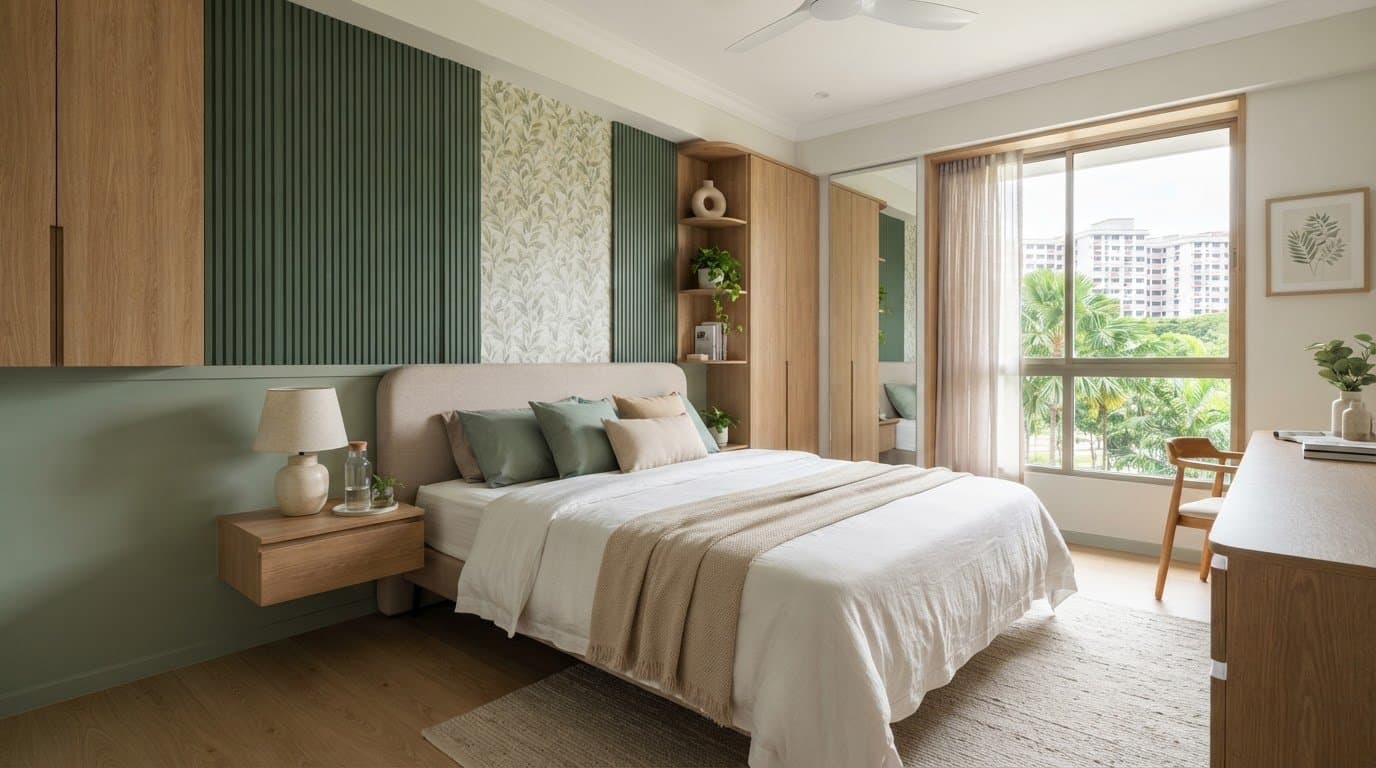
A bedroom feature wall can create a focal point without covering every surface. Feature wall ideas for a BTO flat include a Japandi-inspired headboard backdrop, fluted panels, botanical designs, stone-effect finishes and striped wallpaper. You can also pair wallpaper on one half of the wall with paint on the other to create a wainscoting effect.
Choosing a style is only part of the decision. The wall’s scale, the bedroom’s colours and the mood you want all influence the result. This guide covers headboard walls and other bedroom features, with practical ways to choose patterns, textures and finishes for your new home.
Key Takeaways
- Plan the feature wall around your bed, room proportions and existing finishes so it feels intentional rather than crowded.
- Compare Japandi, fluted, botanical and stone-effect looks by the mood and texture you want in the bedroom.
- Use stripe direction and scale thoughtfully to influence how spacious or tall the room appears.
- Choose wallpaper and wall finishes with Singapore’s humidity in mind, especially near moisture-prone areas.
- Before settling on a design, consider the wall’s surface condition and how much preparation the chosen finish requires.
Table of Contents
- 1. Bedroom and headboard-wall designs
- 2. Japandi, fluted, botanical and stone-effect trends
- 3. Striped wallpaper to create an illusion of space
- 4. How much does a feature wall cost in Singapore in 2026?
- 5. Which feature wall materials suit Singapore’s hot and humid climate?
- FT2 Interior Design: HDB BTO Home Renovation
1. Bedroom and headboard-wall designs
Start with the bed position, since the headboard wall naturally draws attention. A painted panel behind the bed can define the sleeping area without adding depth. For example, choose muted clay or sage, then keep the remaining walls warm white. If the bed sits beneath a window, use a low, simple treatment that leaves the window unobstructed. This creates a focal point while keeping the room visually calm.
For a softer finish, place wallpaper above a painted lower section. This wainscoting effect adds contrast without covering the whole wall. A small botanical print or fine geometric pattern can sit behind a plain upholstered headboard. Match one wallpaper colour to your bedding rather than repeating the full pattern elsewhere. This creates cohesion without making a compact bedroom feel busy.
Minimalist wallpaper works well when texture, rather than a bold motif, takes centre stage. Consider a subtle linen effect, narrow pinstripes or a restrained tone-on-tone pattern. Keep it behind the bed and let bedside tables and lamps provide smaller accents. View a sample beside your headboard and under your bedroom lighting before choosing. A pattern that looks subtle in daylight may appear stronger under warm evening light.
HDB renovation rules apply to work in BTO flats, and permit requirements depend on the work involved. Separate decorative finishes from proposed hacking, carpentry and electrical changes, then establish the applicable requirements before work begins.
For a headboard wall, warm, diffused bedside lights can reduce glare, while concealed LED strips create a soft outline. The fittings, wiring and installation scope shape the lighting plan, so decide whether you need new electrical points before finalising the design.
A TV wall can combine a wall-mounted screen, closed storage and planned cable routes. Mark the screen position and storage depth first, then leave access to sockets and connections for future maintenance. Keep concealed wiring accessible where it needs servicing, rather than sealing it permanently behind a panel.
Before appointing an interior design specialist like FT2 Interior Design in Singapore, review the written scope, material details, installation sequence and handling of electrical work. Common problems include peeling wallpaper, loose panels, visible cables and marks from difficult cleaning. Keep the wall dry, follow the finish’s care instructions, and avoid covering electrical access points. For bedrooms with limited wall space, a simple painted headboard panel may be easier to maintain than layered finishes.
When implementing these features with FT2 Interior Design, protect your decorative installations, and keep cleaning gentle so the surface stays in good condition. For a small space, covering half of a wall with wallpaper and the other half with paint creates a balanced wainscoting design. This keeps the contrast focused rather than carrying a print across every surface. If adapting the idea to a wall tiled halfway up, apply wallpaper above the tile line. Let the existing division guide the placement, and choose a wallpaper treatment that sits comfortably with the painted or tiled portion. Check the finish in the room before committing to the full wall.
2. Japandi, fluted, botanical and stone-effect trends
Japandi combines Japanese restraint with Scandinavian warmth. In a BTO bedroom, pair pale oak tones with warm white paint and simple, low-profile furniture. A narrow timber-look panel behind the bed adds warmth without dominating the room. Keep bedside accessories simple, such as a lamp, a book and one small decorative object. This restrained palette gives the wall a clear role while keeping the rest of the bedroom calm.
Fluted panels add vertical lines and tactile detail. Use them across the bed wall or as a narrower panel behind a bedside table. Their grooves create shadows that change with daylight and lamp placement. For a calmer effect, choose a finish close to the surrounding wall colour. For more contrast, pair pale fluting with a deeper painted background. Consider how the grooves meet the skirting and ceiling before settling on the layout.
Botanical designs bring foliage into the room without adding plants to care for. A small-leaf pattern can suit a compact wall, while oversized leaves make a stronger statement behind a plain headboard. Choose one dominant colour from the print and repeat it in a cushion or bed linen. This connects the wall to the rest of the room. Keep nearby textiles relatively plain so the print remains the focal point.
Stone-effect finishes suggest natural veining or textured rock. A soft, pale pattern can complement oak furniture, while darker charcoal tones contrast with light bedding. Use the effect on one wall rather than repeating it across several surfaces. Compare a sample with your floor and wardrobe finishes before choosing. Veining direction and pattern scale can change the wall’s visual weight, especially when the bed sits close to it.
Fluted panels, paint, wallpaper and laminate each create a distinct finish. Paint gives you a smooth, simple colour field; wallpaper adds a pattern or surface texture; laminate can create a wood or stone look; and fluted panels add raised lines and shadows. Compare samples beside your flooring and headboard, then consider cleaning access and visible joins. A painted wall may suit a quiet Japandi scheme, while botanical wallpaper adds detail without built-in panels.
To combine styles, choose one main treatment and one supporting finish. For example, set a narrow fluted panel within a painted wall, or pair stone-effect laminate with plain bedside cabinetry. Avoid combining bold botanical wallpaper, deep paint and prominent fluting on the same wall. Competing patterns and textures can make the bed area feel crowded. Sketch the wall, mark the bed width and note where panels or wallpaper should stop.
Review your shortlisted colours and textures together before deciding. A 3D visualisation of your feature-wall concept can help you compare how finishes sit within the bedroom design.
3. Striped wallpaper to create an illusion of space
Stripe direction changes how a living room’s proportions appear. Vertical stripes draw the eye upward, while horizontal stripes lead it across the wall. In a compact BTO living room, choose the direction that works with the room’s existing shape. Stripes can affect perception, but they do not change the actual floor area.
HDB flat floor areas vary by flat type. A 3-room flat typically starts at 65 sqm, while a 5-room flat can reach 110 sqm. These figures show why the same stripe pattern can feel different in different homes. A broad stripe may suit a longer wall, while finer stripes can add detail without making a small surface feel visually crowded.
Ceiling height also affects the result. HDB flat ceilings are approximately 2.6 metres high, so vertical stripes can emphasise the wall’s height. If your living room already feels tall, horizontal stripes may help the feature wall feel wider instead. Test a wallpaper sample against the full wall before deciding. A close-up sample can make stripes appear narrower or busier than they will across the room.
For a space-saving feature wall in a small BTO living room, choose one striped wall and keep nearby surfaces simple. A slim floating console, wall-mounted television and closed storage can preserve visible floor space. Avoid pairing strong stripes with several competing patterns. For example, combine fine cream-and-sand stripes with plain curtains and a solid-colour sofa.
Stripe width and contrast matter as much as direction. High-contrast black-and-white stripes make a stronger statement than two similar shades of beige. In a narrow living room, a low-contrast pattern can add movement without sharply dividing the wall. Check how the stripes meet the wall edges, door frames and furniture. A pattern that ends abruptly behind a cabinet may look uneven.
Plan the layout before installation. First, measure the feature wall and mark the television, console and switches. Next, check where the wallpaper pattern should begin, especially near corners and openings. Then position furniture so it doesn’t conceal the key stripe effect. In a 4-room HDB living room, one feature wall typically requires two to three wallpaper rolls, depending on the wall and pattern.
Striped wallpaper suits a feature wall when you want a clear visual direction without adding built-in depth. Choose vertical lines to draw attention upward, or horizontal lines to emphasise width. Match the stripe colours to a visible finish, such as a timber console or neutral sofa. This connects the wall to the room instead of making it feel like a separate decoration.
4. How much does a feature wall cost in Singapore in 2026?
Before planning a feature wall, define its purpose. A decorative backdrop has different requirements from a wall that also supports a television, conceals cables or provides storage. Write down what the wall needs to do first. This helps keep practical needs, such as access to sockets or space for everyday items, in view as you choose the design.
Record the wall’s position and surrounding features. Note doors, windows, switches, skirting and nearby furniture. A wall interrupted by a doorway needs a different layout from a continuous surface behind a sofa. A simple sketch with measurements can show where the design should begin and end. Include the height and width of any television or storage you plan to keep.
Decide how the feature wall should meet adjacent surfaces. A panel that stops before a corner creates a different boundary from one that wraps around it. Consider the edges beside curtains, door frames and cabinets. These transitions affect how finished the design looks. For example, align a painted panel with a bed or console rather than leaving an unexplained strip of colour.
Plan sockets, switches and cable access before finalising built-ins. Mark existing points on your sketch, then identify anything the proposed design might cover. If the wall includes a screen, plan its position alongside the console and viewing direction. Keep access to connections in mind so future adjustments do not require dismantling the entire feature.
Use this planning sequence before settling on a layout:
- Identify the wall’s main purpose, such as a backdrop, display area or media wall.
- Mark openings, electrical points and furniture on a simple wall sketch.
- Choose where the treatment starts, stops or turns around a corner.
- Review how the proposed design relates to adjoining walls and room circulation.
Think about how the room will feel after installation. Deep shelves can project into a walkway, while a full-height treatment can draw attention away from artwork or windows. In a living room, check the view from the sofa. In a bedroom, consider whether bedside tables and lamps will still sit comfortably beside the bed.
Keep a record of the chosen layout and finish. Note the material, colour, panel direction and any openings that must remain accessible. Share the same plan with everyone involved in the renovation. Clear drawings and written selections help prevent misunderstandings as the design moves from concept to installation.
For context, HDB flats and condominiums in Singapore have living spaces between 900 - 1300 square feet, and more than 80% of Singapore residents live in HDB estates. These details can help frame the scale and setting of a feature wall, but they do not determine its cost. The selected finish and the work involved still need to be considered when comparing options. Wallpaper installation in an HDB flat does not require an HDB renovation permit because it is classified as non-structural, non-hacking work. Some renovation work may have scheduling requirements, so confirm the applicable arrangements before booking installation. Confirm which category applies to the planned work before scheduling installation, and include any relevant access or timing considerations when discussing the project.
5. Which feature wall materials suit Singapore’s hot and humid climate?
Singapore’s humidity makes material choice important, particularly where moisture reaches a wall. For bedrooms and living areas, breathable non-woven wallpaper can help prevent mould linked to humidity. Near kitchens and bathrooms, vinyl wallpaper offers better moisture resistance. Choose a finish to suit the room’s exposure, not just its pattern.
For a bedroom wall, consider non-woven wallpaper with a restrained botanical print or subtle linen effect. Keep the wall clean and dry, and follow the wallpaper care instructions. A small sample helps you see how its colour looks beside your bedding and under evening light. Check that the pattern and finish suit the room before covering the full wall.
Vinyl wallpaper is a practical option for a feature wall near a kitchen or bathroom, where moisture exposure may be higher. It offers better moisture resistance than other wallpaper options in these areas. For example, a vinyl finish can bring a stone effect to a wall near a kitchen. Keep wallpaper away from direct water exposure and clean it according to its care instructions.
Paint, laminate and fluted panels create different surface treatments, and each needs suitable installation and care. Paint creates a smooth finish, while laminate can add a timber-look detail. Fluted panels have grooves that collect dust, so plan how you will clean them. Whatever the material, a dry, properly prepared wall supports a neater finish.
Before installation, inspect the wall for damp patches, peeling paint or uneven areas. Resolve visible moisture issues before adding wallpaper or panels. For a freshly plastered BTO wall, apply a primer coat before installing wallpaper. On a resale HDB wall with existing wallpaper, remove the old covering, fill cracks, then sand and prime the surface.
Use this simple material check before finalising the design:
- Choose breathable non-woven wallpaper for bedroom and living-area walls.
- Consider vinyl wallpaper near kitchens and bathrooms for better moisture resistance.
- Check the wall condition and prepare the surface before installation.
- Plan cleaning around the finish, especially for grooved fluted panels.
A bedroom with non-woven botanical wallpaper calls for a different material choice from a kitchen-adjacent feature wall. Let the room’s exposure, wall condition and care routine guide your selection. Ask for the chosen material and preparation steps to be clearly described in the renovation scope.
Planning a BTO feature wall? Explore a humidity-conscious wall design that suits your room and chosen finish.
FT2 Interior Design: HDB BTO Home Renovation
FT2 Interior Design provides HDB BTO Home Renovation for homeowners planning a feature wall as part of a wider home design. Bring your preferred finish, such as fluted panels, wallpaper or a painted backdrop, into the renovation discussion alongside your room layout and storage needs. This helps connect the feature wall with the surrounding finishes and the way you use the space.
Turn to FT2 Interior Design when you want your feature wall considered within the broader BTO renovation, rather than as a standalone choice. You can also explore HDB Resale Home Renovation, Condominium Home Renovation or Landed Property Interior Design if that better matches your home.
Contact FT2 Interior Design to discuss your BTO renovation plans.
Make the Feature Wall Part of Your Home’s Bigger Picture
The right feature wall ideas for your BTO flat should suit how you want to live, not just how you want a room to look. Before settling on a finish, consider what may change around it, including your furniture, storage needs and daily routines. A design that accounts for these plans can feel more considered over time.
If you’re planning a wider renovation, FT2 Interior Design offers HDB BTO Home Renovation, HDB Resale Home Renovation and Condominium Home Renovation. Bringing the feature wall into the wider design conversation helps connect its materials and layout with the rest of your home.
Take your preferred styles and practical needs into the next planning step. Contact FT2 Interior Design to discuss your renovation. A clear starting point can help you shape a home that feels like yours.
Frequently Asked Questions
What are popular feature wall ideas for Singapore BTO flats?
Popular feature wall ideas for a BTO flat include Japandi-inspired finishes, fluted panels, botanical wallpaper, stone effects and stripes. To choose a treatment that suits your home, start with the room’s main furniture and select a finish that complements it. For example, coordinate a stone-effect living room wall with the floor tone, or use a simple painted backdrop to balance patterned curtains. Consider how the design connects adjoining spaces, too.
What lighting works best for a BTO feature wall, and how much does it cost?
Warm, diffused bedside lights can reduce glare, while concealed LED strips create a soft outline. The fittings, wiring and installation scope shape the lighting plan.
Related Articles
30
Oct
Costs to budget for when planning HDB renovation
HDB renovation hidden costs to expect: learn how hacking, wet works, permits, ha...
29
Oct
Quartz vs Sintered Stone Countertops: Which Should You Choose
Compare quartz vs sintered stone countertop options for heat resistance, care an...
28
Oct
Vinyl Flooring vs Tiles for HDB: Compare Costs, Comfort and Durability
Compare vinyl flooring vs tiles for HDB homes by comfort, durability, moisture s...
27
Oct
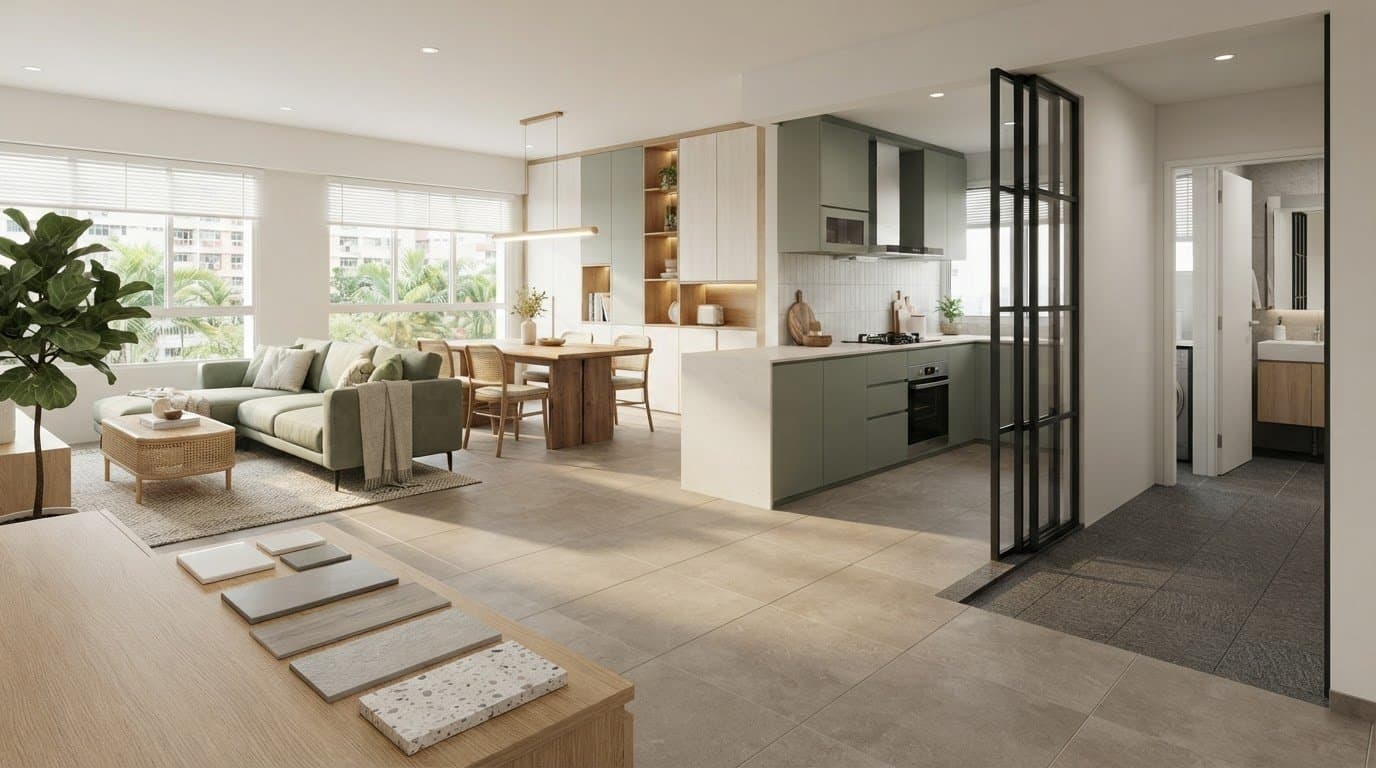
Choosing tiles for an HDB flat, from overlay options to flooring costs
Choosing tiles for HDB flat? Compare overlay options, porcelain, ceramic and vin...
26
Oct
BTO Key Collection: A Reference for Your Next Steps
Find out bto key collection what to do next: inspect defects, plan renovation, a...
25
Oct
Soundproofing for HDB Apartments: Flooring and Other Examples
Explore soundproofing for HDB apartments, from SPC and LVT flooring to ceilings,...