

Renovation Warranty Cover in Singapore: Defects and Claims
Searching "what does renovation warranty cover singapore"? Learn about workmanship defects, air-con coverage, exclusions and claim steps to protect your home.
A renovation warranty may cover faulty work without covering the product itself. If you’re asking what a renovation warranty covers in Singapore, check the written terms: coverage can include defects caused by poor workmanship, installation errors or materials supplied by the contractor. Air-conditioner installation work may have a separate warranty from the equipment.
It’s reasonable to expect a clear answer about what will be repaired and for how long. In Singapore, air-conditioner workmanship is usually covered for 1 year, while compressor equipment is usually covered for 5 years. These periods can differ from the warranty for the wider renovation, so the contract matters.
This guide explains which workmanship defects may qualify, how air-conditioning coverage can be divided between installation and equipment, and what exclusions and claim steps to look for. You’ll also learn when a defect may need professional attention beyond the renovation warranty, so you can respond with a clearer understanding of your next step.
Key Takeaways
- Read the written warranty to see which work, materials and defects it covers, and what it excludes.
- Separate workmanship issues from normal wear, misuse or damage caused after handover.
- Check whether air-conditioner installation and compressor equipment have separate warranty coverage.
- Record defects and follow the contract’s reporting process so the issue can be assessed clearly.
- Seek professional help when a problem may involve building systems or causes beyond renovation workmanship.
Table of Contents
- What Does Renovation Warranty Cover?
- Workmanship defects such as uneven tiles, broken silicone and sagging doors
- Air-conditioner workmanship and compressor coverage
- When to seek a licensed professional or contact HDB or the MCST
- Written warranty terms and claim processes
- FT2 Interior Design
What Does Renovation Warranty Cover?
A renovation warranty may cover defects caused by workmanship, installation errors or materials supplied by the contractor, according to the contract. A contractor may warrant the installation of a homeowner-supplied fixture without covering the fixture itself. Product defects generally fall under the supplier’s or manufacturer’s warranty.
Common Coverage Exclusions
Exclusions state what the warranty does not cover, such as normal wear and tear or damage caused by misuse. This distinction matters because the cause of a defect can determine whether it qualifies for repair under the contract.
Water exposure, impact, overloaded shelves and homeowner modifications are common carpentry exclusions. For example, a swollen cabinet panel after water exposure may be treated differently from one that fails because of faulty installation. Building movement, seepage from a neighbouring unit, pest infestation and poor maintenance may also fall outside renovation coverage. Hairline cracks linked to settlement or structural movement may not be the contractor’s responsibility.
Structural Guarantees and Laminate Exclusions
A structural guarantee covers specified structural work, while a laminate exclusion distinguishes surface finishes from that guarantee. This matters because one warranty period may not apply to every part of a renovated home.
A stated arrangement gives a 12-month structural guarantee and excludes laminates from it, with a separate 5-year period for laminates. Waterproofing warranties offered by Singapore interior designers and contractors are usually 5 years, and hacking or alteration works may void them. Read each period beside the work it covers. A single phrase such as “structural warranty” does not explain whether finishes, waterproofing or later alterations qualify.
Contract Scope and Covered Items
The contract scope identifies the work and supplied items connected to the warranty. This is useful when a defect involves both installation and a product, such as a supplied water heater that develops a fault after fitting.
Some contractors offer a one-year warranty, but coverage differs. FT2 Interior Design recommends adequate coverage for durable works for 2 to 5 years after renovation. Treat these periods as reference points, not a substitute for the written terms. A warranty checklist can separate workmanship, materials, appliances and exclusions, then record the period and claim process for each category.
For a homeowner-supplied faucet, the contractor may cover a faulty connection or fitting while the faucet itself remains subject to its manufacturer’s terms. The same distinction applies to lights, pipes and water heaters. The contract should identify covered electrical and plumbing components rather than relying on a broad promise to cover renovation defects.
Keep the signed contract, product warranty documents and handover records together. If a dispute arises, describe the defect, when it appeared and whether any alteration or impact occurred. These details help distinguish a workmanship issue from an exclusion without assuming every fault has the same cause.
Workmanship defects such as uneven tiles, broken silicone and sagging doors
Workmanship defects occur when installation or finishing falls short of the agreed work. Examples in Singapore can include misaligned cabinet doors, poorly bonded tiles, peeling paint due to inadequate surface preparation, and leaks at renovated plumbing connections. Whether a repair qualifies depends on the written warranty and the cause of the defect.
Check the affected area and how it performs. Uneven tiles may point to an installation issue if they were laid poorly. Broken silicone around a sink or shower can let water through, but the warranty terms determine whether sealing work is covered. A sagging cabinet door or wardrobe track that no longer runs smoothly may indicate a fitting or adjustment problem.
Other examples involve finishes and services. Paint peeling because the surface was not prepared properly differs from scuffing caused by daily use. A loose electrical fitting may involve installation, while a faulty product may fall under the manufacturer’s warranty. A leak at a renovated pipe connection may be assessed as workmanship; seepage from a neighbouring unit has a different cause.
- Carpentry: Misaligned doors, loose hinges or incorrectly fitted wardrobe tracks.
- Flooring: Tiles that are poorly bonded or uneven after installation.
- Wet areas: Failed silicone or leakage at a renovated plumbing connection.
- Finishes: Paint peeling because surface preparation was inadequate.
The cause matters. Renovation workmanship warranties commonly exclude misuse, poor maintenance and damage caused by movers or other trades after handover. Slamming drawers, using harsh cleaning chemicals or drilling into concealed services can affect how a defect is assessed. Normal wear and tear is also commonly excluded, so a finish that deteriorates through ordinary use may be treated differently from a fault present after installation.
Check the warranty period and its covered work categories in your contract. Carpentry, hardware mechanisms and workmanship warranties in Singapore may range from 12 to 60 months, depending on the interior designer or contractor. The stated period alone does not show whether a particular hinge, tile or seal is included.
If you spot a defect, photograph it, note when it appeared, and report it through the contract’s stated process. A recommendation in the market is to notify the service provider within 7 days of discovering an issue. Keep messages and inspection notes together. These records help show whether the problem appeared during the warranty period and whether later work or damage may have contributed.
Ask for the defect to be assessed against the original scope, installation and any later changes. A written record of the reported issue and proposed rectification can clarify responsibility and reduce misunderstandings about workmanship liability.
Air-conditioner workmanship and compressor coverage
Air-conditioner coverage can distinguish installation workmanship from equipment faults. Plumbing warranties use the same distinction between fitting work and the fixture itself.
In Singapore, air-conditioner workmanship is usually covered for 1 year, while compressor equipment is usually covered for 5 years. Renovation workmanship warranties can cover different work, periods and exclusions, so identify which document applies to each fault.
Workmanship Warranty Expectations and Limits
A workmanship warranty addresses defects caused by installation or work quality, not every failure in the home. This matters when an air-conditioning system stops cooling, because the cause could involve installation, equipment or another issue.
CaseTrust-accredited renovators provide a workmanship warranty period of at least 12 months from the completion date of the works. That expectation applies to workmanship, not automatically to every appliance or supplied component. To check credentials, compare the business’s registration details with BCA records and check its CaseTrust accreditation separately. Accreditation and registration are distinct checks.
You should also read exclusions before assuming a defect qualifies. A warranty may not cover faults caused by misuse, poor maintenance, later alterations or damage from other trades. For example, a damaged pipe connection after another contractor’s work may be assessed differently from a connection that leaked because of faulty installation.
Rectifying Faulty Workmanship
Rectification means correcting a defect attributed to covered workmanship. Identifying the fault and its likely cause helps direct the claim to the relevant warranty.
If an air-conditioner leaks after installation, record where the water appears and when the issue began. Keep the service report, handover documents and warranty terms together. Describe the symptoms without assuming the compressor caused them. A compressor fault and an installation fault involve different components and may fall under different coverage.
The same distinction applies to plumbing. A contractor may warrant fitting a homeowner-supplied faucet while the faucet itself remains under its manufacturer’s warranty. If a renovated connection leaks, report the connection problem; if the faucet mechanism fails, check the product warranty. This helps clarify responsibility without treating the fixture and installation as one item.
Warranty Types and Duration
Renovation warranties address covered workmanship, home insurance protects against certain insured events, and product warranties apply to specified equipment. Knowing the difference helps you identify the right claim route.
Air-conditioner workmanship is usually covered for 1 year, and compressor equipment for 5 years. Separately, renovation workmanship warranties may range from 12 to 60 months, depending on the contractor or interior designer. Completed renovations may be covered by home insurance against events such as fire, burst pipes, flood and theft. Home and renovation insurance do not cover poor workmanship or defects.
Use the installation record to identify who fitted the unit, the product documents to understand equipment coverage, and the renovation contract to review workmanship terms. If a fault appears, report it under the warranty that matches its likely cause and keep any inspection findings. This creates a clear record for discussing rectification and warranty liability.
When to seek a licensed professional or contact HDB or the MCST
A warranty claim may not resolve every renovation problem. Contact the relevant professional or building management if the issue involves safety, shared property, seepage from another unit or approval for renovation work.
If you see a persistent leak, exposed wiring or a defect affecting several areas, record the symptoms and arrange a qualified assessment. The renovation contract can help identify whether the work falls within the contractor’s scope. A licensed professional can assess building systems or causes beyond cosmetic workmanship, while HDB or the condominium’s management office can address applicable building requirements.
When HDB or a Professional May Be Relevant
If a defect raises questions about compliance or building work, refer to HDB’s renovation requirements and the written contract. A contractor warranty concerns agreed work; it does not replace approval or technical assessment where required.
Seek professional assessment when a fault continues after repair, affects electrical or plumbing systems, or appears linked to structural movement. For example, repeated water seepage may come from a renovation connection, a neighbouring unit or another building source. Photographs, dates and reports help distinguish these causes before anyone assumes the warranty applies.
Condominium MCST Approval and Insurance
Condominium management offices may require renovation applications and insurance documents before work starts. Requirements vary by development, so follow the management office’s process to protect common areas and coordinate work in the building.
Some Singapore condominium management offices ask for a refundable renovation deposit between S$500 and S$5,000 to cover potential damage to common property. They may also request a valid Certificate of Insurance from the interior designer. These figures relate to renovation insurance arrangements, not the warranty for completed materials or workmanship.
Contractors’ All Risks (CAR) insurance covers accidental damage during renovation works and third-party liability. CAR insurance generally covers risks arising during renovation, not poor workmanship or defects. After renovation, home insurance may cover events such as fire, burst pipes, flood or theft, but it also does not cover defective work.
Before work starts, keep the approved renovation documents, insurance certificate and renovation contract together. If damage affects a corridor, lift or another shared area, notify the MCST promptly and document the location. If seepage appears after renovation is completed, report it through the warranty process and building management channels. Clear records help distinguish a contractor’s workmanship liability from damage to common property or a building-related cause.
Written warranty terms and claim processes
A written warranty turns a general promise into terms you can use when a renovation defect appears. It should identify covered work, the warranty period, exclusions, notice requirements and the process for remedying covered defects. For a kitchen project, terms could separately address carpentry, fittings and installation work.
Read the warranty alongside the renovation contract. Check whether the stated period begins at handover or another event, and whether you must submit a claim in writing. Look for required details, such as the affected area, description of the fault and supporting photographs. Clear terms help you assess whether the issue concerns covered workmanship or an exclusion such as wear and tear.
A useful claim record connects the defect to the agreed project scope. Keep the signed contract, handover documents, warranty and relevant messages together. If a cabinet hinge becomes loose, for example, record when you first noticed it and whether anyone altered the cabinet. This gives the contractor a clear basis for assessing the issue against the warranty terms.
A market recommendation is to notify the service provider within 7 days of discovering an issue. The contract’s own notice process remains important, so send the report through the stated channel and keep a copy. Describe what happened, where it happened and when it began. Avoid assuming that a repair is covered before its cause and the warranty terms are assessed.
Ask for the inspection outcome and proposed rectification in writing. A clear response should connect the reported defect to the relevant contract item, explain whether it falls within the warranty and state the next action. If the provider rejects a claim, keep the explanation and any inspection records. This paper trail can clarify the disagreement and support a later dispute process.
In Singapore, the Small Claims Tribunals handle disputes up to S$20,000, or up to S$30,000 when both parties consent in writing. These limits indicate the monetary scope stated for the tribunal, not an automatic outcome for every renovation dispute. Keep evidence of the claim, the contract and communications organised if you need to understand whether this route fits your case.
Before signing, use a short checklist: covered work, materials and fittings; exclusions; the start and end of the warranty period; how to report a defect; and who arranges rectification. This is more useful than a broad promise of “protection” because it links each concern to a written term.
If you’re planning a renovation, discuss your renovation project with FT2 Interior Design and keep the scope and warranty terms clear from the outset.
FT2 Interior Design
FT2 Interior Design can help you plan an HDB BTO, HDB resale, condominium or landed home renovation, with clear project scope and written terms. Its materials carry a 24-month warranty. Keeping material coverage distinct from workmanship terms helps you understand which parts of your renovation each warranty applies to.
Turn to FT2 Interior Design when you’re planning a renovation and want the work, materials and warranty details set out clearly. Contact FT2 Interior Design to discuss your renovation plans.
Plan your renovation with clear expectations
Understanding what a renovation warranty covers in Singapore is one part of planning with confidence. The next step is to ensure your renovation decisions reflect how you want your home to look and function, as well as how it will be built.
Consider the details that matter in daily life, from how you will use each room to which finishes suit your routine. A clear vision gives your renovation practical direction and helps you make decisions with purpose.
Thoughtful planning helps shape your home around your priorities. Let that clarity guide the next stage of your renovation.
Frequently Asked Questions
What does a renovation warranty cover in Singapore?
Coverage depends on the renovation scope and its warranty terms. A practical way to understand it is to map each item to the responsible party: note, for example, who supplied a light fitting and who installed it. This distinction helps you find the relevant warranty documents and describe a fault precisely, rather than treating every item in the home as part of one blanket promise.
What renovation defects are usually excluded from warranty coverage in Singapore?
Exclusions depend on the written terms and the cause of the problem. If a defect appears after handover, note any changes in the area, such as work by another trade or a later alteration. This timeline gives the contractor useful context for assessing the issue. Avoid assuming that appearance alone establishes responsibility; the location, condition and history of the affected work can all help explain what happened.
Does a renovation warranty cover leaks, waterproofing, or plumbing problems in Singapore?
A leak may be covered if it relates to renovation work included in the written terms. To make the issue easier to assess, record where water first appears, which areas are affected and whether the problem changes over time. In a condominium, note whether the signs are confined to your unit or also appear in a shared area. These observations help identify the appropriate inspection route.
What are Singapore homeowners’ rights if renovation work is defective or incomplete?
If work does not match the agreed scope, document each unfinished or defective item against the contract and any written changes. Give the contractor a clear description of what remains and keep the response with your project records. Consumers can make claims under the Consumer Protection Act within 6 years. For a dispute, the Small Claims Tribunals handle claims up to S$20,000, or S$30,000 if both parties consent in writing.
How do I make a renovation warranty claim in Singapore, and what documents are needed?
Prepare a concise claim record with the affected room, item, date noticed and a plain description of what changed. Include photographs showing both the wider location and the specific defect, along with the relevant contract page and any handover notes. If the issue concerns a supplied appliance or fitting, include its product documents too. A dated record of messages and inspection findings keeps the claim history clear.
What should a Singapore renovation contract say about warranty terms and defect rectification?
Make sure the contract connects each warranty to identifiable work rather than using a broad, undefined promise. It should explain how to submit a claim, what information to provide, how an inspection is arranged and how the agreed repair will be recorded. Written approval for scope changes can also help distinguish original work from later additions. Keep the signed contract and amendments together for reference.
Related Articles

13
Nov
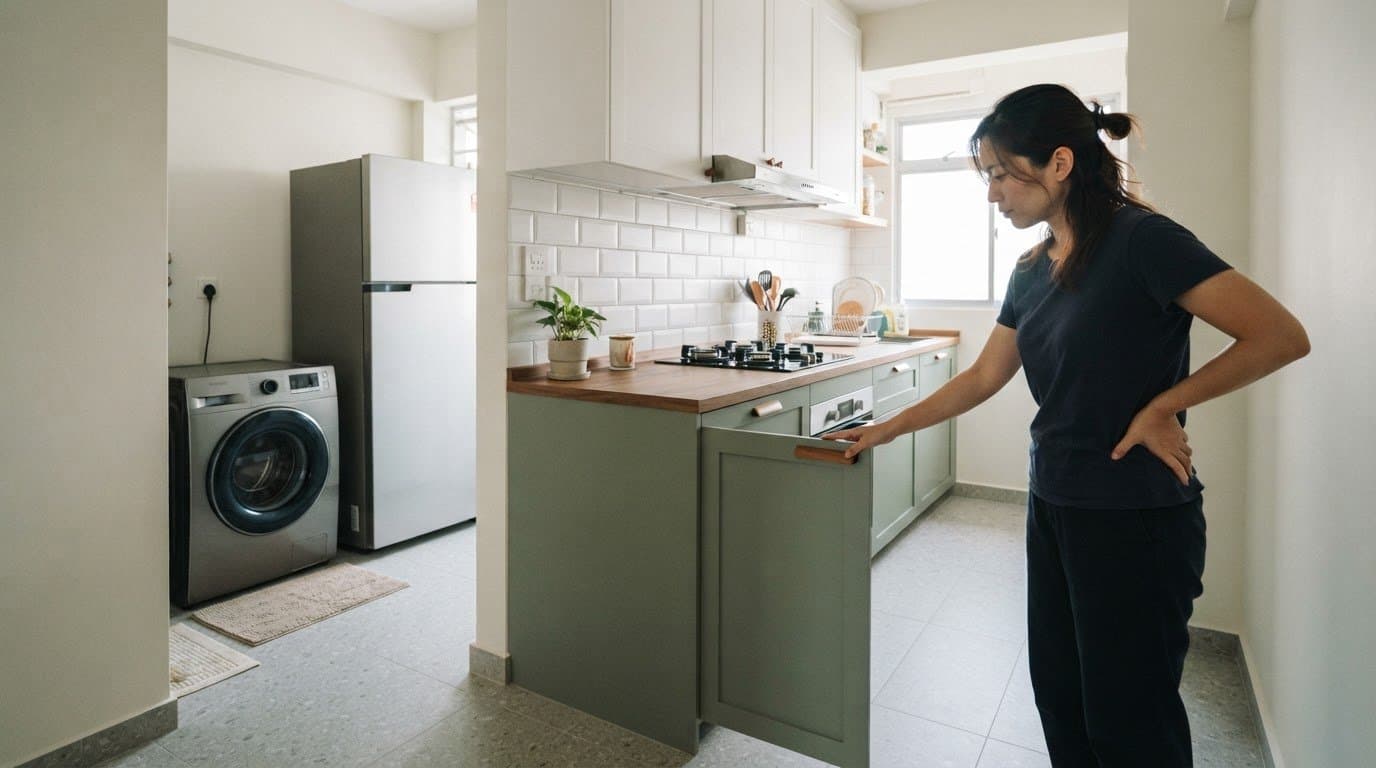
Easy to Clean Kitchen Backsplash Ideas for Every Kitchen
Explore easy to clean kitchen backsplash ideas, from smooth glass and porcelain ...
12
Nov
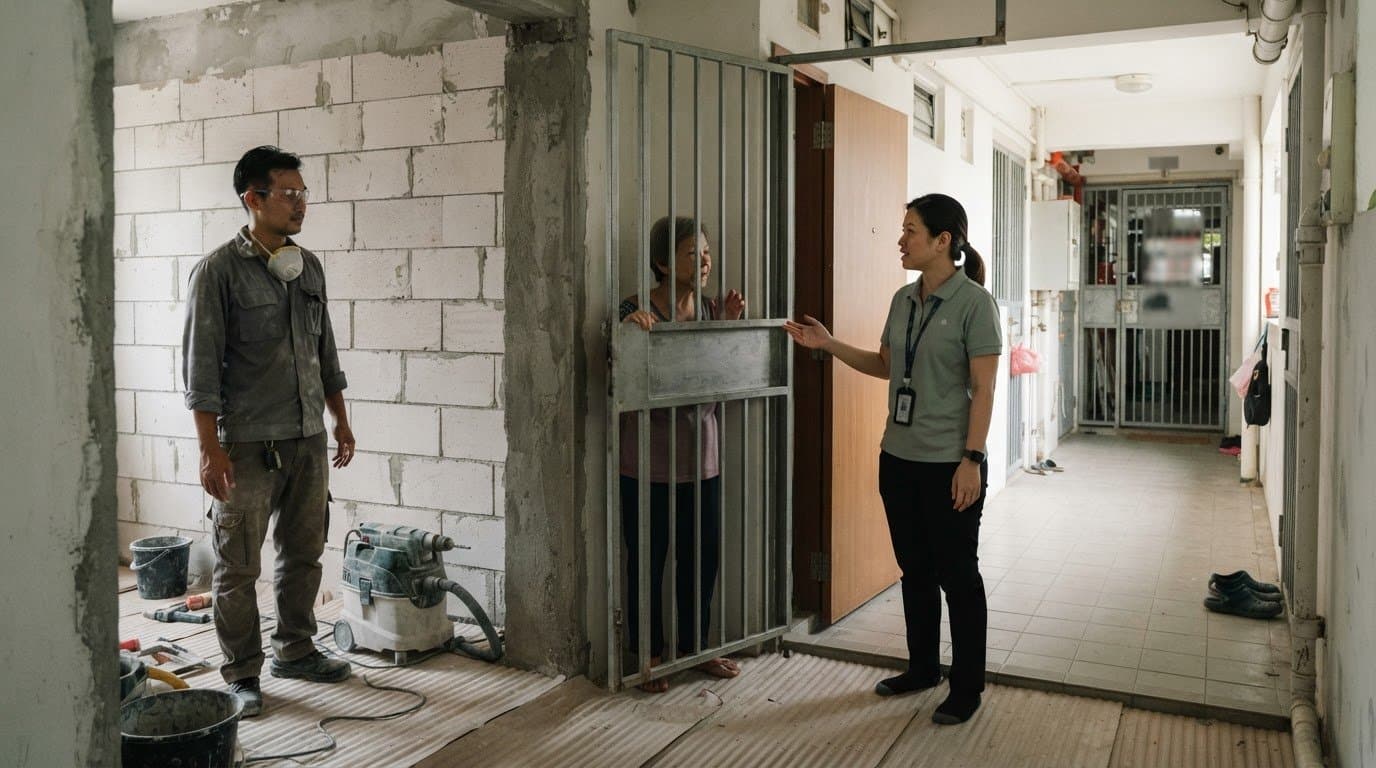
Managing Renovation Noise Complaints: Hours, Limits and Next Steps
Managing renovation noise complaints in Singapore? Learn HDB work hours, restric...
11
Nov
Renovation Loan vs Personal Loan in Singapore: Compare Costs
Compare renovation loan vs personal loan Singapore by permitted uses, rates, rep...
10
Nov
Feng shui for your HDB main door, starting with your new home
Explore feng shui for hdb main door placement, nearby corridors and door alignme...

09
Nov
How to Plan Your BTO Renovation Before You Collect the Keys
Learn how to plan your BTO renovation before key collection, compare proposals, ...
08
Nov
How to Save Money on HDB Renovation, Furnishings and Appliances
Learn how to save money on hdb renovation by prioritising essential work, keepin...